
Does a Head Spa Help Hair Growth? What the Research Actually Says
By Nina · · Updated
Short answer: a head spa can help your scalp, and it may help your hair a little, but it won't regrow hair lost to genetic thinning on its own. The limited evidence suggests daily scalp massage may make existing hairs slightly thicker and may lower stress, which matters because stress is a real trigger for shedding. That's useful. It's just not the miracle some spa menus imply.
"Is head spa good for hair loss" is one of the most common things people search before booking, and plenty of spa websites lean into it. So we went back to the studies themselves. Here's what they found, where they fall short, and how to use a head spa sensibly if your hair is thinning.
What a head spa actually does to your scalp
A typical head spa session combines a few things: deep cleansing and exfoliation, steam, and 20 to 40 minutes of scalp, neck and shoulder massage. Each of those has a different relationship to hair growth.
- Cleansing and exfoliation remove oil, product build-up and flakes. A cleaner scalp is more comfortable and may help with itch and dandruff. It doesn't directly make hair grow.
- Massage is the part with actual research behind it, both for hair thickness and for stress.
- Serums and oils vary from spa to spa. A few ingredients have some evidence. Most don't.
What the research says about scalp massage and hair growth
Two studies get cited far more than any others.
The Japanese study everyone quotes
The study you'll see cited on most head spa websites is a small Japanese trial from 2016 (Koyama et al., Eplasty). Nine healthy men used a scalp massage device for four minutes a day for 24 weeks. By the end, their hairs were measurably thicker: an average diameter of 0.092 mm, up from 0.085 mm.
That's a real result, but look at the details before you read too much into it:
- Nine people. That's tiny.
- They didn't have hair loss. These were healthy men, so the study says nothing about regrowing hair on a thinning crown.
- Thicker, not more. The researchers also measured total hair count and growth rate. The headline result was thickness. The paper doesn't report an increase in the number of hairs.
- Industry ties. Two of the five authors worked for ANGFA, a Japanese hair-care company.
The same paper also showed that stretching forces change gene activity in the cells at the base of hair follicles, at least in a lab dish. That's the theory behind why massage might help. It hasn't been proven in a living scalp.
The bigger survey
In 2019, researchers surveyed 327 people with pattern hair loss who had tried a standardized daily scalp massage routine (English & Barazesh, Dermatology and Therapy). About 69% said their hair loss had stabilized or improved. People who massaged longer and more consistently reported better results, and on average the improvement showed up after about 36 hours of total massage time, which works out to several months of near-daily sessions.
Encouraging, with big caveats. Everything was self-reported, there was no comparison group, and only about 18% of the people invited filled out the survey. Most participants massaged for a median of 11 to 20 minutes a day. A monthly head spa visit is nowhere near that.
What this means for a head spa
If scalp massage helps hair, it seems to depend on doing it a lot, consistently, over months. One hour at a spa every few weeks is a lovely dose of massage, but it isn't the dose these studies used. The spa is more useful as a place to learn technique you can repeat at home, or a scalp massager you can use in the shower.
Where head spas may genuinely help: stress shedding
Stress shedding is where a head spa makes the most sense. One of the most common kinds of temporary hair loss, telogen effluvium, is triggered by stress, illness, surgery, a crash diet or childbirth. It usually shows up two to three months after the stressful event and typically settles within about six months (Cleveland Clinic). Postpartum shedding works the same way.
A head spa won't stop that shedding once it has started. But massage does seem to calm the body's stress response. In a 2016 Korean study, 34 female office workers received 15 or 25 minutes of scalp massage twice a week for 10 weeks. Compared with a control group, they showed changes in the stress hormones cortisol and norepinephrine, and lower blood pressure (Kim et al., Journal of Physical Therapy Science).
Again, it's a small study. But if stress is part of why your hair is shedding, regular, genuinely relaxing scalp massage is a reasonable part of looking after yourself. Just don't expect it to work faster than your hair cycle allows.
What about the oils and serums?
Spas often finish with a "growth" serum or oil. A couple of ingredients have some evidence:
- Rosemary oil. A 2015 trial compared rosemary oil with 2% minoxidil in 100 people with pattern hair loss. After six months, both groups had more hair than when they started, with no significant difference between them, and the rosemary group had less scalp itching than the minoxidil group (Panahi et al., Skinmed). One trial, and it used the weaker 2% minoxidil, so it's interesting rather than settled.
- Caffeine, peptides and other "growth complexes". You'll see these on a lot of bottles. The evidence is mostly small or company-funded.
If you like the serum your spa uses, ask what's in it. If the answer is a proprietary blend with no ingredient list, that's a reason to be skeptical, especially at spa-serum prices.
When a head spa isn't the answer
A head spa is a nice addition to scalp care. It shouldn't replace a proper diagnosis. See a dermatologist, not a spa, if you notice:
- Sudden shedding of noticeably more than the 50 to 100 hairs a day that's normal (American Academy of Dermatology).
- Bald patches, especially round ones, or hair coming out in clumps.
- A scalp that's painful, burning, bleeding or scaly, which can point to conditions like seborrheic dermatitis, psoriasis or a scarring alopecia that massage can make worse.
- Thinning that keeps progressing over six months or more, particularly a widening part or a receding hairline.
- Other symptoms like fatigue, irregular periods or unexplained weight changes, which can point to thyroid problems, low iron or hormonal causes.
For pattern hair loss, the treatments with the strongest evidence are medical ones, like minoxidil and, for men, finasteride. A dermatologist can tell you what you're dealing with and what's likely to work. It's also worth knowing that head spa staff aren't required to have dermatology or trichology training. A 2025 paper in the Journal of Drugs in Dermatology raised concerns that untrained staff may give scalp patients inappropriate advice and push costly products (Johnson et al.).
We cover common causes and treatments in more depth in Understanding Hair Loss, and flaky scalps in Understanding Dry and Dandruff-Prone Hair.
How to use a head spa if your hair is thinning
If you've checked with a doctor and want to add a head spa to your routine, a few things make it more worthwhile:
- Tell the therapist about your hair loss and any treatments you use. Some products, like minoxidil, should go on a dry scalp, so ask the spa to time things around them.
- Ask for firm but comfortable pressure. You don't need to be in pain for it to work, and rough handling of fragile hair causes breakage.
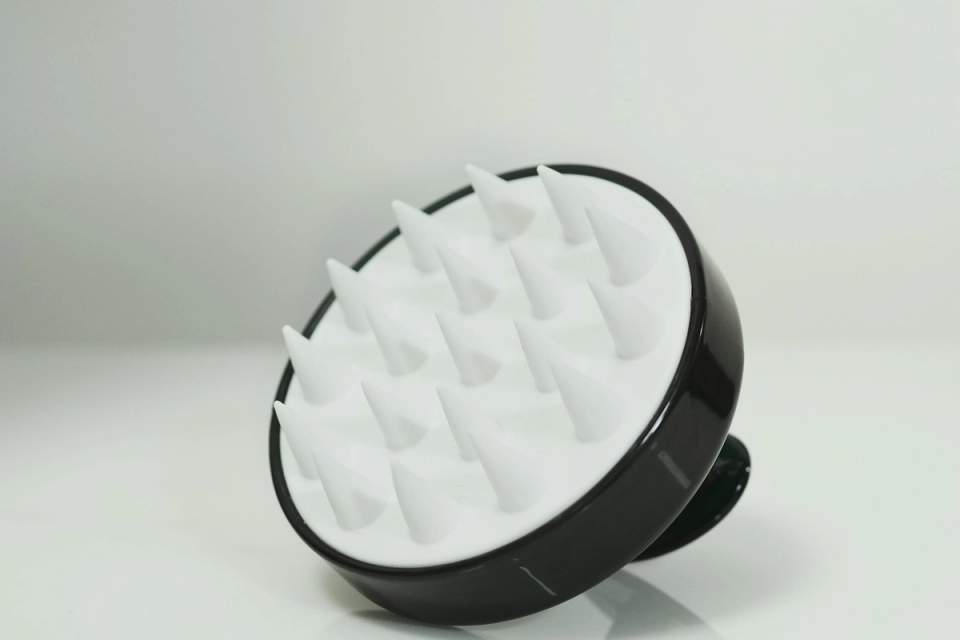
- Ask them to show you the technique. Then keep it up at home for a few minutes a day with your fingertips or a soft silicone massager.
- Skip heavy oils if your scalp gets oily or flaky. They can make dandruff worse.
- Track it honestly. Take photos in the same light every month. Hair changes take three to six months to show, so judge it over a season, not a single visit.
- Don't feel pressured into a package or product. A good spa will explain what they recommend and why, without a hard sell.
Looking for a spa that offers scalp analysis or a thinning-hair treatment? Around a third of the head spas listed on Head Spa Locator offer a hair growth or thinning service. Browse by state and use the service filters on each city page.
Frequently asked questions
Short answers to what people ask us most about head spas and hair loss.
Can a head spa regrow hair?
There's no good evidence that a head spa alone regrows hair lost to genetic pattern thinning. Daily scalp massage may make existing hairs a little thicker, and regular massage may help with stress-related shedding.
How often should I get a head spa for hair growth?
The studies that showed any benefit used daily massage, not monthly visits. Use the spa every four to six weeks if you enjoy it, and do a few minutes of scalp massage at home most days in between.
Is a head spa good for postpartum hair loss?
It can be a relaxing way to care for your scalp while postpartum shedding runs its course, which usually takes several months. It won't stop the shedding. If it continues past your baby's first birthday or seems extreme, talk to your doctor.
Can a head spa make hair loss worse?
Usually not, but harsh scrubbing, very hot water, tight post-treatment styles or heavy oils on an inflamed scalp can cause breakage or irritation. If you have an active scalp condition, get it treated first.
Is a head spa good for dandruff?
It can help in the short term by removing flakes and build-up, and many spas offer a dandruff-focused treatment. Persistent dandruff usually needs a medicated shampoo, so see a doctor if it keeps coming back.